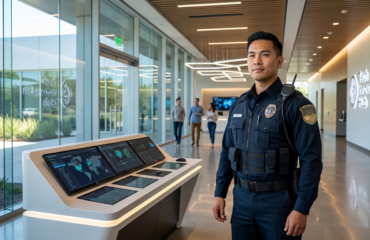
Security is not just about having a uniformed presence; it’s about ensuring that those protecting your property, assets, and people are trained, legally authorized, and held to the highest professional standards. Licensed security services in California aren’t just a smart decision, but a legal necessity as their regulations are strict and risks are diverse.
California’s Bureau of Security and Investigative Services (BSIS) requires and regulates all private security firms and guards to meet standards for licensing, training, and operational conduct. Unfortunately, not all security companies operate legally under BSIS. Many clients are exposed to legal risks, reputational damage, and financial consequences because of these unlicensed providers. This is why verifying licensing before hiring any security services is critical.
Secure Guard Security Services are fully licensed, insured, and BSIS-compliant. Our services are backed by over a decade of experience across California. In this post, we’ll walk you through what licensed security really means in California, the risks of hiring unlicensed firms, and how Secure Guard stands out as a trusted, fully compliant provider.
What Does “Licensed Security Services” Mean in California?
Private security services in California operate under regulation by the Bureau of Security and Investigative Services (BSIS), which is a part of the California Department of Consumer Affairs.
“Licensed security services” means that the company and its personnel have obtained the required permits, registrations, and authorizations to legally operate and provide security in California. This typically includes:
- A Private Patrol Operator (PPO) license for companies that provide guard, patrol, or other security personnel services.
- Individual security guard registration (“Guard Card”) for security officers employed by PPOs or other security firms.
- Additional permits/licenses for specialized functions (e.g., Firearms Permit, Baton Permit, Alarm Agent).
- Compliance with training mandates, background checks (Live Scan FBI/DOJ), insurance and liability coverage, and other contractual or regulatory obligations.
In short, a licensed security provider meets state legal requirements to operate and has personnel authorized to perform security duties under California law.
Key Regulatory Requirements & Why They Matter
Let’s examine some of the major regulatory pillars for security services in California and why they reinforce safety, accountability, and legal protection.
1. Guard Card / Security Guard Registration
- To work as a guard in California, an individual must be registered via the BSIS Guard Card process.
- Applicants must be at least 18 years old, submit fingerprints through Live Scan (DOJ & FBI), pass required training (including “Power to Arrest”), and pay applicable fees.
- The registration must be carried out physically while on duty. Failing to carry a valid card is prohibited under Business & Professions Code 7583.3.
- Guards are required to complete continuing training (often 8 hours annually) to renew registration.
These rules help ensure that security personnel meet baseline qualifications, remain current, and maintain oversight—protecting clients, employees, and the public.
2. Private Patrol Operator (PPO) Licensing & Company Obligations
- A security company that provides guards, patrols, or watch services must typically hold a PPO license.
- PPO applicants are required to demonstrate a certain amount of experience (for example, 4,000 hours as a guard or patrol, plus 2,000 hours of managerial experience) under BPC 7583.1.
- PPOs must maintain a general liability insurance policy (minimum $1,000,000 per occurrence) and submit proof of insurance to BSIS.
- The PPO’s badge, patch, and uniform insignia must be reviewed by BSIS to avoid confusion with law enforcement.
- PPOs must renew licenses biennially and comply with regulatory audits.
This regulatory layering ensures that not only are individual guards legal, but the company delivering security services is financially accountable, structurally robust, and aligned with public safety norms.
3. Legal & Liability Protections
- Using unlicensed security services can expose the client (you) to legal risks, liability, or insurance challenges.
- Under California law, performing security guard duties without valid registration is itself unlawful under BPC § 7583.2.
- The BSIS also handles complaints, enforcement, and possible sanctions against noncompliant providers.
- Licensed providers are more likely to maintain required insurance, professional standards, and records, helping you manage risk.
Benefits of Choosing a Licensed Security Provider
Here is why selecting a licensed security company offers superior value:
- Legal Compliance & Avoidance of Penalties
Hiring a licensed provider ensures you stay on the right side of the law and avoid possible fines or legal exposure. - Credibility & Trust
A licensed provider signals professionalism, legitimacy, and accountability, which helps reassure stakeholders and protect your reputation. - Qualified, Trained Personnel
Registered guards must pass background checks, carry valid credentials, and complete mandated training. This raises quality and reduces the risk of misconduct. - Insurance & Risk Mitigation
Licensed firms are more likely to carry the proper liability, workers’ comp, and other insurance—lessening your exposure if something goes wrong. - Regulatory Oversight & Recourse
If a guard or firm misbehaves, you may have recourse through BSIS complaint channels or sanctions. This accountability may not exist with unlicensed operators. - Broader Service Capabilities
With proper licensing and endorsements, providers can legally offer a wider range of services (armed guard, patrol, alarm response, investigations), which gives you flexibility without needing multiple vendors.
Secure Guard Security Services: Licensed, Local, and Experienced
To bring this into context, here’s how Secure Guard Security Services differentiates itself, drawing on information from your website:
- Long Track Record & Reputation
Secure Guard has been operating for over 15–20 years in the industry, building up credibility through professionalism, high ethical standards, and consistent service. - Southern California Focus
The company serves multiple counties in Southern California—San Bernardino, Riverside, Orange, Los Angeles, and San Diego—specializing in licensed guard services tailored to local needs. - Scope of Services
Secure Guard offers a full suite of services: security consulting, event security, close protection, armed & unarmed security, and more. - Industry & Site Specialization
The company supports specialized verticals, such as:- Manufacturing facilities — they provide patrols, gate control, equipment logs, incident reports, CCTV integration, and alarm response.
- Construction site security — guarding materials, controlling site access, CCTV systems, patrols, fire watch, and more.
- Event security — crowd management, guest checks, foot/vehicle patrols, plain-clothes officers, and comprehensive event security plans.
- Government facility security — meeting higher security and regulatory demands for public sector clients.
- Manufacturing facilities — they provide patrols, gate control, equipment logs, incident reports, CCTV integration, and alarm response.
- Technology, Transparency & Management Practices
Secure Guard emphasizes “unprecedented transparency” via technology like business intelligence tools, AI workforce management, and local operational oversight.
Their staffing processes involve a strong recruiting network, scheduling systems, and local branch managers to maintain service quality. - Contact & local presence
The company is headquartered in Irvine, CA at 18001 Sky Park Circle J, Irvine, CA 92614.
They offer 24/7 availability and responsiveness across their service areas.
These points illustrate how Secure Guard not only meets—but often exceeds—the expectations set by legal licensing requirements. When you partner with a company like Secure Guard, you get not just compliance, but depth of expertise and local responsiveness.
How to Vet & Verify a Licensed Security Company in California
Choosing a licensed provider is not just about accepting a claim—you should verify. Below is a checklist and some trusted tools:
- Check BSIS License/Registration Status
Use BSIS’s “Verify a License” tool on their website to confirm a company’s PPO license or a guard’s registration is active and in good standing. (Inbound link to BSIS) - Ask for License Numbers & Documentation
Request a copy of the PPO license, guard registration (Guard Card), insurance certificates, and proof of training. - Review Insurance Coverage
Confirm current insurance certificates, the name of the insured, policy types (liability, etc.), and effective dates. - Examine Training and Background Checks
Ensure the company requires Live Scan fingerprint background checks, mandatory continuing education, and robust hiring standards. - Check for Public Complaints or Enforcement Actions
Review BSIS enforcement records or local consumer affairs complaints. You might also check industry associations like CALSAGA (California Association of Licensed Security Agencies) for member firms or standards. - Inspect Uniforms, Badges, & Branding
Confirm badge, patch, or uniform insignia do not resemble official law enforcement and meet BSIS review. - Look at Contracts & Terms
A licensed security provider should offer a clear, written contract with scopes of work, liability clauses, compliance with laws, termination, and indemnification. - Request References & Site Visits
Ask for references from other clients, and—if feasible—visit a protected site to see the security presence in action.
9. Verify Local Presence & Responsiveness
A provider with local offices, supervisors, and the ability to dispatch quickly is more reliable. Secure Guard claims to have local branch leadership and rapid dispatch ability.
By applying these steps, you can confirm that Secure Guard (or any competitor) is truly licensed and capable of delivering high-quality services.
Real-World Risks of Using Unlicensed Security
To further illustrate the stakes:
- Insurance Refusals: If an unlicensed guard causes harm, insurers may deny coverage, leaving the client exposed.
- No Regulatory Recourse: Clients may lack a formal complaint path if the provider has no license.
- Operational Instability: Unlicensed providers may shut down under enforcement actions, disrupting your security continuity.
- Reputational Impact: Using unlicensed services may reflect poorly on your own brand, clients, or stakeholders.
By contrast, a licensed provider like Secure Guard helps inoculate you from such risks, because they operate within the legal and operational frameworks that protect both parties.
Conclusion: Invest in Peace of Mind with Licensed Security Services
Choosing a licensed security service provider in California is more than a regulatory checkbox; it’s a decision that directly impacts your safety, liability, and peace of mind. With strict state guidelines enforced by the Bureau of Security and Investigative Services (BSIS), licensed providers must meet rigorous standards in training, background checks, insurance coverage, and operational oversight. These safeguards protect clients like you from legal, financial, and reputational risks that often arise when working with unlicensed or unqualified firms.
By selecting a licensed security provider, you ensure that your personnel, property, and operations are protected by professionals who are accountable, insured, and operating within California law. You gain access to trained guards, broader service offerings (such as armed patrols or event security), and the assurance of working with a company that is committed to compliance and excellence.
At Secure Guard Security Services, we don’t just meet the minimum licensing requirements—we exceed them. With over 15 years of experience, a deep understanding of California’s regulatory environment, and a dedicated presence across Southern California, we provide security solutions that are both legally compliant and custom-tailored to your needs. Whether you manage a construction site, oversee a corporate facility, or are hosting a major event, our team is ready 24/7 to deliver reliable, transparent, and professional protection.
Don’t compromise security. Choose licensed. Choose local. Choose trusted.